From One Voice to a Chorus — How Tomorrow Is Shaped

"I can’t change anything. Even if I tried, there are too many people who think the opposite"
It’s easy to feel powerless when problems seem huge and voices against you feel louder. Many people give up before they even start, convinced their voice will be drowned out.

"Every change in history started with someone who felt alone — until others joined."
Are you ready to lead the change — and not just be a part of it? Then this space is for you. This is where voices grow stronger together, where small acts ripple outward into waves, where courage becomes contagious.
Case Studies to Leadership — Learn the Past, Shape Tomorrow

Red — Immediately Stop the Spin
Red — Immediately Stop the Spin
Red — Immediately Stop the Spin
Leadership substitutes charisma for governance, sidelining domain experts. Communication is hyping unverified claims and hides data, leaving civic participation to whistleblowers and reporters. Going wrong because decisions lacks independent oversight and reproducible evidence, turning risk into harm.

Model — Lead with Purpose
Red — Immediately Stop the Spin
Red — Immediately Stop the Spin
Evidence leads the story; claims pass validation before going public. Goals are science-aligned, time-bound, and transparently tracked, with incentives and capital tied to them. Stakeholders are true partners—feedback changes the plan—so trust, legitimacy, and value grow together.
Amber — De-Risk the Path
Red — Immediately Stop the Spin
Amber — De-Risk the Path
Leadership prioritizes near-term returns while deferring transition timelines. Communication frames the choice as market necessity, and civic participation arrives as shareholder rebellions and legal challenges. It goes wrong because, without dated, science-based targets, pressure compounds into policy and reputation risk.
There are no profit nor jobs on a dead planet.
Paul Polman, former CEO of Unilever

The Power of Leadership: Turning Many Into One
Listen
Safeguard
Listen
Name the decision, who’s affected, and what input you need—by a clear deadline.
Invite many voices via simple channels, weighting those closest to the impact.
Play back what you heard, state what will change (and what won’t) with reasons, and keep it safe to speak up with anonymity and no-retaliation.
Align
Safeguard
Listen
Map roles, responsibilities, and decision rights—write them down in one place.
Tie goals to resources and incentives; sync timelines and channels so messages match.
Surface conflicts early, agree on trade-offs, and lock a single “source of truth.”
Recheck alignment at each milestone and fix drift fast.
Safeguard
Safeguard
Safeguard
Spot who could be harmed, how, and when—put their needs first and name the non-negotiables.
Set guardrails (limits, escalations, independent checks) and assign an owner with response times.
Report near-misses and fixes openly, and make it safe to pause or stop with clear stop-rules and no-retaliation.
Converge
Safeguard
Safeguard
Set one shared goal, constraints, and a dated definition of “done.”
Translate across groups; reduce disagreements to 2–3 options with clear criteria.
Agree how to decide (consent or vote), make the call, and assign owners with milestones.
Track in one place and review often—adjust fast.
Sharpen Your Judgment: The Mini Reading Kit
Dare to Lead (Brené Brown)
Narrative Economics (Robert J. Shiller)
Narrative Economics (Robert J. Shiller)
Courage isn’t a trait; it’s a trainable skill set—clear conversations, real boundaries, and trust you practice daily. Swap armor and blame for values-in-action, candid feedback, and accountability. The result: teams that speak up, take smart risks, learn fast from stumbles, and bounce back stronger.
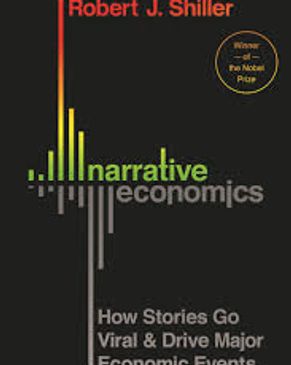
Narrative Economics (Robert J. Shiller)
Narrative Economics (Robert J. Shiller)
Narrative Economics (Robert J. Shiller)
Stories move markets: booms, busts, and bubbles spread like catchy memes. Learn to spot the viral narratives shaping behavior—who started them, how they mutate, and why they stick—and use stronger, truer stories to steer expectations.
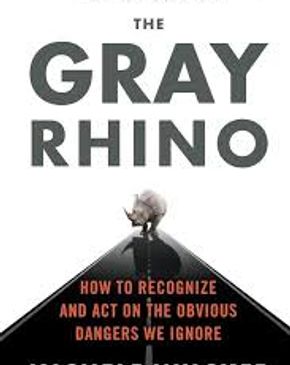
The Gray Rhino (Michele Wucker)
Narrative Economics (Robert J. Shiller)
The Gray Rhino (Michele Wucker)
Some threats aren’t “black swans”; they’re big, obvious rhinos charging straight at us—debt, climate, pandemics. Name the rhino, assign an owner, and set triggers that force action before impact. Cut through denial and misaligned incentives by rehearsing the response now, not during the collision.